
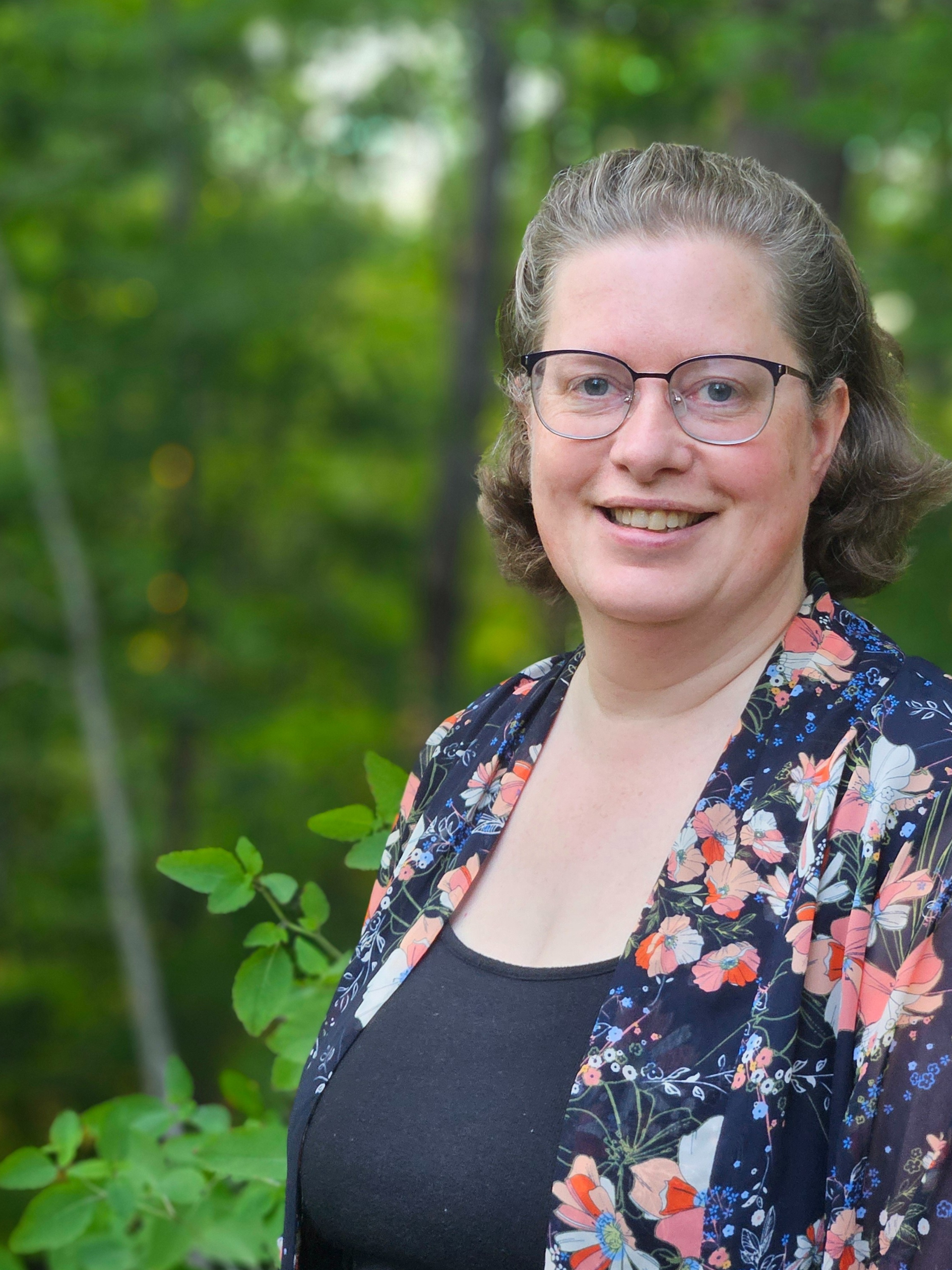
Heather Rebmann, MSW
Organizational Consultant | Structural Repair for Nonprofit Teams
What I Do
I help mission-driven organizations identify why team dysfunction keeps coming back — and fix it at the level it's actually happening.
Not by managing people better. By repairing the structural conditions that make people's work unsustainable.
When roles are clear, authority is legible, and leadership is predictable, teams can finally do the work they came to do.
Why This Work Found Me
This work found me long before I had language for it.
In every role, I navigated overwhelmed staff, unclear systems, and teams oscillating between overfunctioning and underfunctioning. We treated it as the norm — chronic underfunding, constant overextension, and the team dysfunction that followed. I watched good people internalize the failures of overloaded systems, and found myself doing constant relational damage control just to keep the work moving.
Early promotions taught me the pressure of stepping into leadership with the expectation that your skills would catch up to the demands. They usually didn't — not because people weren't capable, but because the systems around them were generating more pressure than any individual could absorb.
What I kept seeing wasn't a people problem. It was a structural one. The conflict, the silence, the disengagement, the turnover — these were predictable responses to unstable conditions. And they were being treated as performance failures.
There is a better way. It starts with diagnosing the right problem.
Professional Background
After earning my MSW from Boston University in 2006, I began my career working with homeless teen parents in youth development programs. Promoted early — a common reality in nonprofits — I became the director of a home-visiting program, where I saw firsthand how programs struggle under resource scarcity and chronic overwhelm.
I went on to build a clinical practice, work in adolescent residential care, and support teens involved in commercial sexual exploitation. I later directed a domestic violence shelter and led a municipal domestic violence program, guiding staff through high-stakes crises and the sustained pressure faced by frontline teams.
Across every environment, the same pattern: what looked like a culture problem was almost always good people working inside underfunded, unclear, overloaded systems never designed to hold that level of pressure.
The issue is never the people. It is the system.
My Throughline
After years of managing crises inside unstable systems, I'm no longer interested in band-aids.
My work now focuses on the structural conditions — roles, communication, workload, decision authority, capacity — that generate dysfunction and make good work impossible.
Most organizations have tried to fix this at the people level. The interventions don't hold because the structure hasn't changed. That's where I work.
When the system is steady, people can do their jobs.
Next Step
The Organizational Conditions Assessment identifies the specific structural domains generating dysfunction in your organization. It takes 7 minutes and produces an immediate risk profile.
If you're ready to talk through what you're seeing, book a connection call.